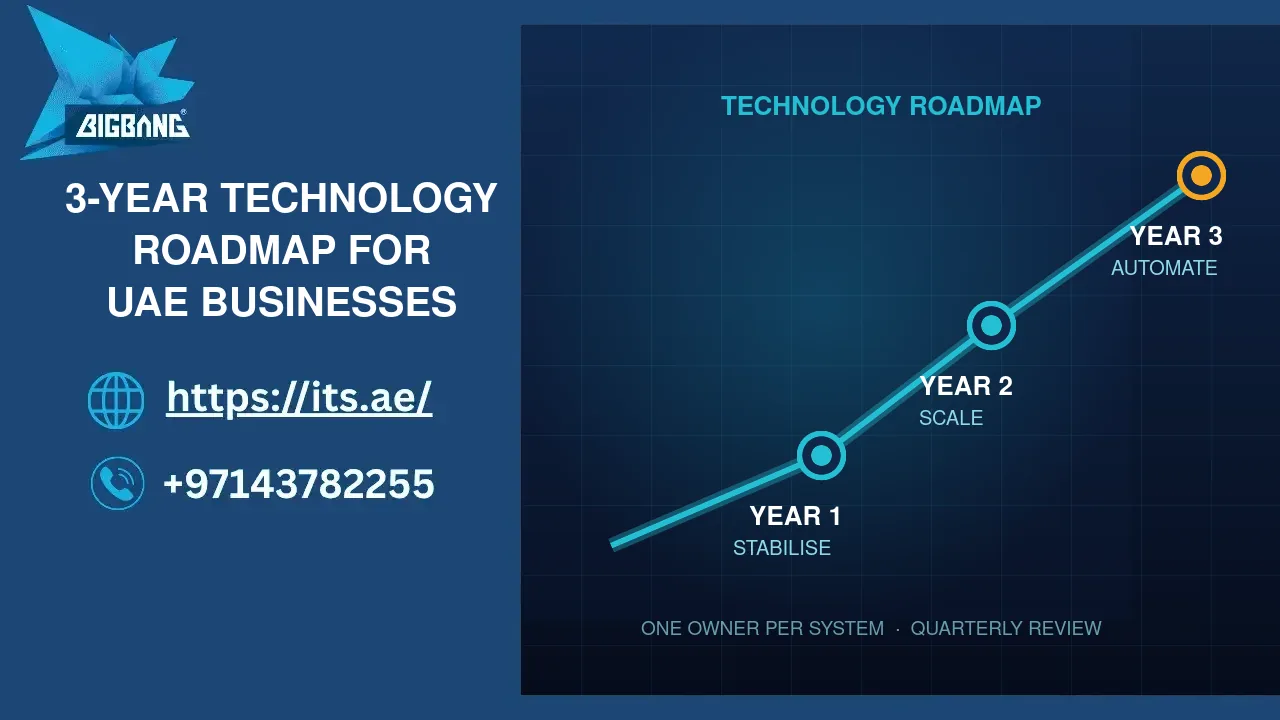
The question usually arrives with a quote. A supplier prices a server or a phone system, and the accountant asks whether it is an asset or an expense. Nobody in the room has a rule, so the decision is made on the purchase price alone. In our three-year technology roadmap we said to treat operating expense and capital expense differently, and left the rule for a separate article. This is that article, written for the owner, general manager or finance head of a UAE company with 5 to 50 staff who is not an accountant.
Quick Answer
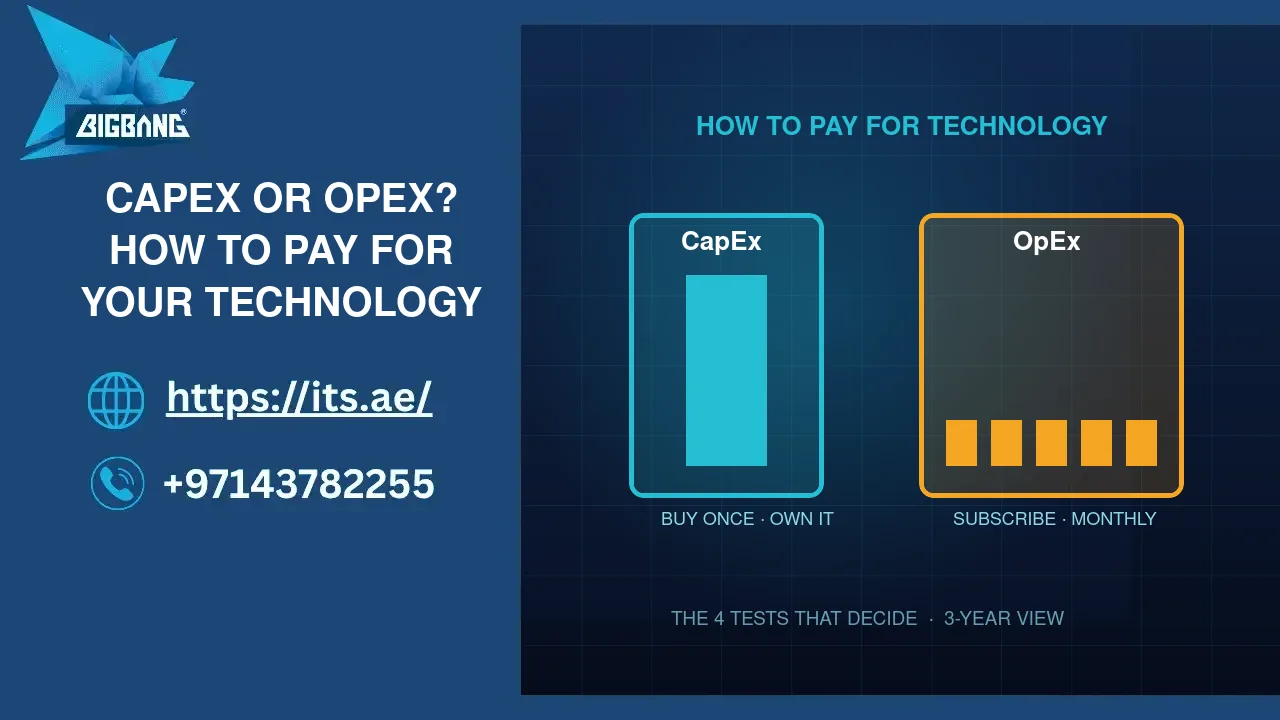
CapEx vs OpEx is a question of how you pay and what you own. CapEx (capital expenditure) means you buy and own: a server, desk phones, network hardware, a system built for you. The cost hits once, sits on the balance sheet and is depreciated over its useful life. OpEx (operating expenditure) means you subscribe: hosting, licences, cloud, a maintenance contract. The cost is monthly and visible in the profit-and-loss. For a UAE business of 5 to 50 staff, most technology is now OpEx. CapEx is right when the asset will last 5 years or more, the load is steady and high, or the data must stay on hardware you own. We sell both models: hardware you buy and place in the UAE, and a dedicated server or VPS you subscribe to monthly, so we push neither.
What the Two Words Actually Mean
Capital expenditure is money spent on something the business will own and use for more than a year: a server, a rack of switches, 30 IP desk phones, software written for you. In the accounts it is recorded as an asset and its cost is spread over its useful life as depreciation. The IFRS standard on property, plant and equipment, IAS 16, sets those principles, and IAS 38 covers intangible assets such as software you own. The cash leaves once; the profit-and-loss sees a slice of it each year.
Operating expenditure is money spent to run the business in the period it is spent: hosting, a per-user licence, a cloud server billed by the month, a maintenance contract. It is recorded as an expense of the month it belongs to, and typically nothing sits on the balance sheet. Which bucket a given contract falls into, and over how many years an asset is depreciated, is your accountant’s call, and the line is less obvious than it looks.
Why the Technology Bill Moved to OpEx
When we started in 2003, most of what a company bought from us was CapEx: a server in the office, a PBX on the wall, a box of licences. 4 shifts moved it.
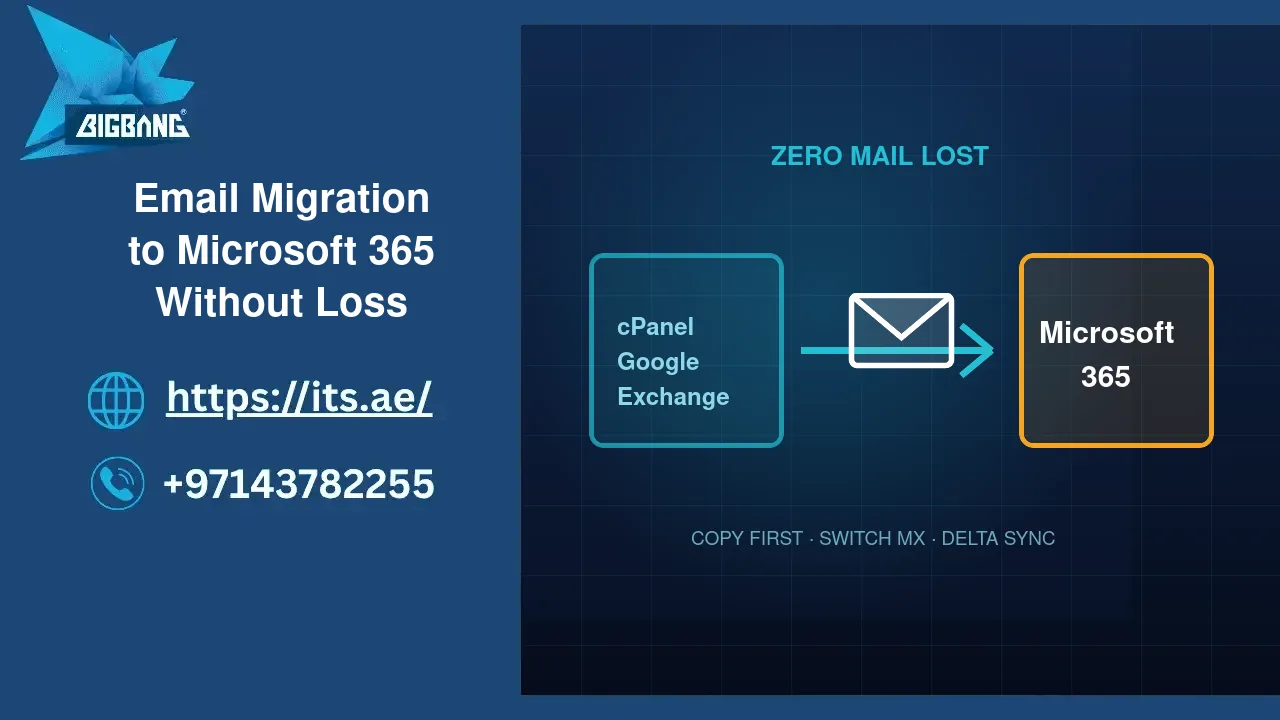
- Software became a subscription. Office software, email and antivirus are paid per user, per month or per year, and stop when you stop paying. Our article on migrating email to Microsoft 365 covers the move away from a mail server you own.
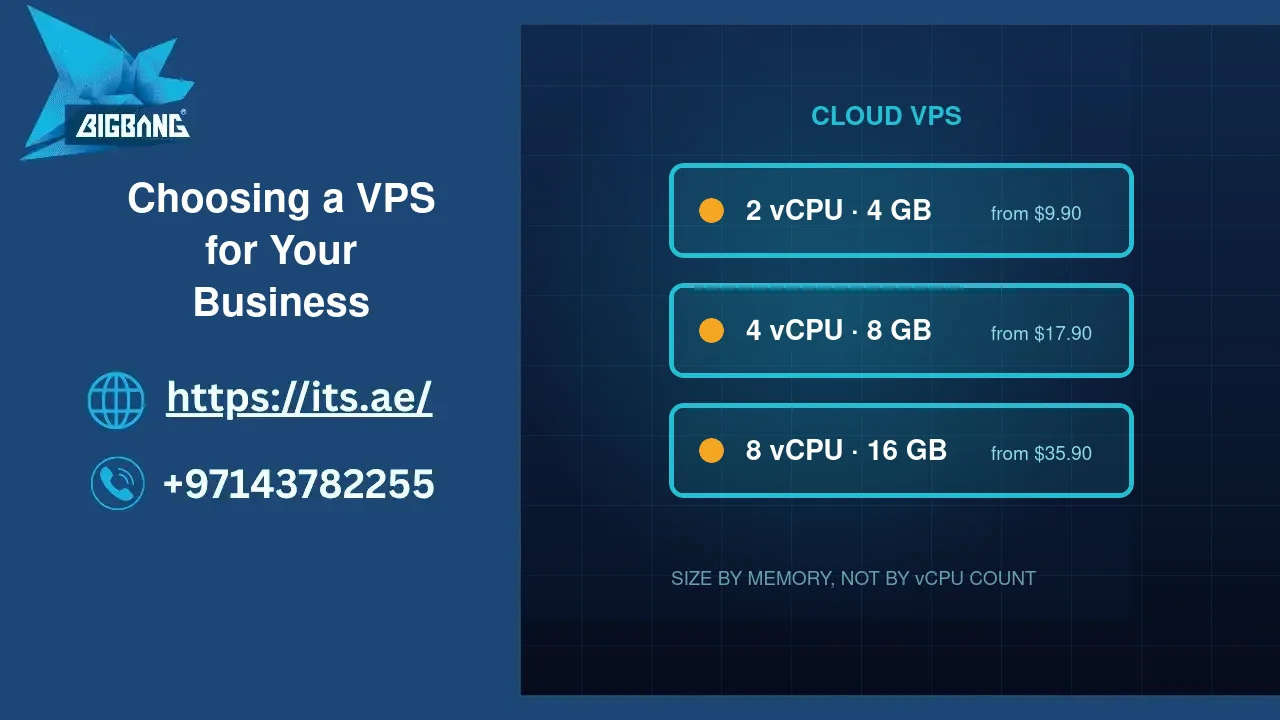
- Servers became cloud. A VPS is a monthly line, and the cloud providers we work with bill by the hour under a monthly cap; Hetzner’s billing FAQ spells that out. A server you can delete on Tuesday and stop paying for on Tuesday is a service, not something you own.
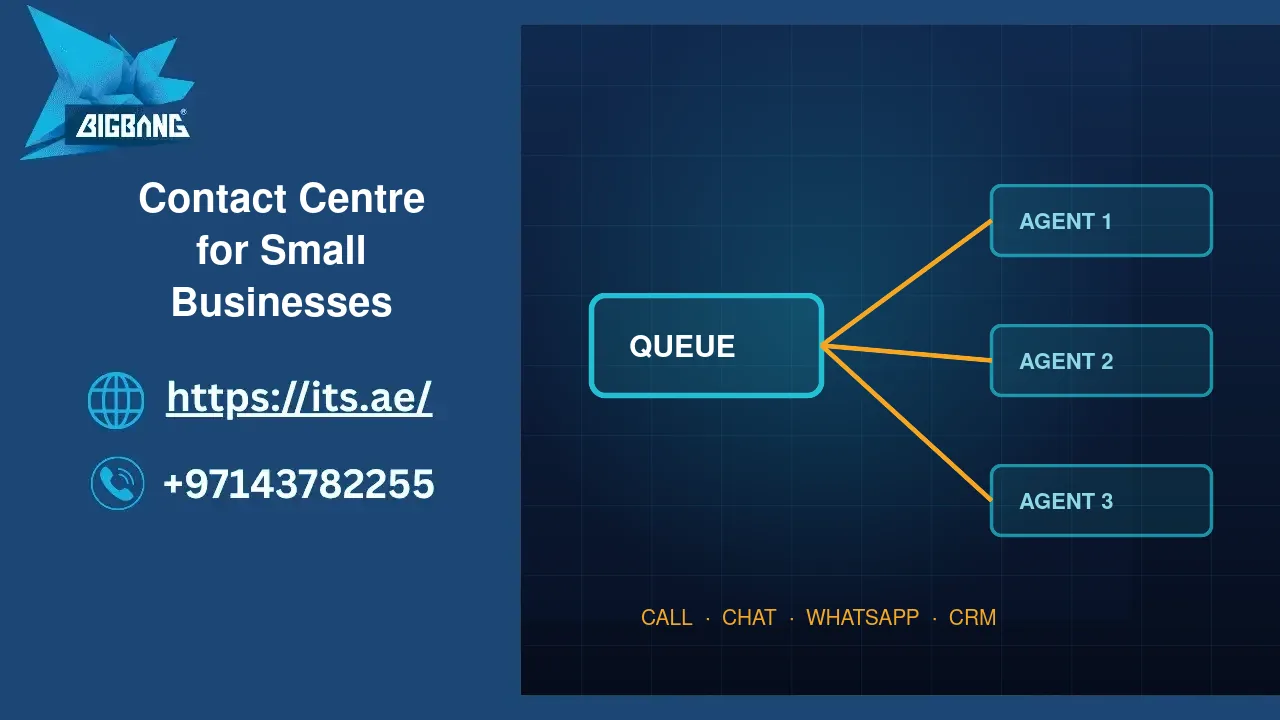
- Phones became licences priced by simultaneous calls. A software PBX such as 3CX is licensed by the number of calls in progress at once, not by the number of users; 3CX states this on its pricing page. The hardware, if any, is a desk phone.
- Maintenance became a contract. Updates, monitoring, backups and the engineer who answers at night are an annual maintenance contract, not a salary and not a one-off call-out.
A company of this size can now run with almost nothing on the balance sheet. That is not automatically good: a bill that never ends is the price of flexibility, and flexibility is worth paying for only where you need it.
When CapEx Is Still the Right Answer
We see 4 cases, each with a one-line test.
Steady, high load for years. Test: the server will be busy at roughly the same level every month for 3 years or more. A dedicated server you own is paid for once, plus the hosting and maintenance around it; a cloud server sized for the same load is paid for every month, for as long as you run it. Our guide to choosing a VPS shows where the subscription stops making sense.
Data that must stay on hardware you control. Test: a regulator, a client contract or your own review under the UAE data protection law names where the data must physically sit and who may hold it. Then you buy the box, put it in the UAE, and subscribe only to the maintenance around it.
Hardware with a long life. Test: the item will do the same job in 5 years without a subscription attached. Switches, cabling, a firewall appliance and IP desk phones pass; the security services on the firewall do not, and they stay OpEx.
A custom system that is a core asset. Test: the system is what makes your company different, and you would rather own the code than rent it. Build it once and own it, but only after the bought parts are in place, as the roadmap article says.
When OpEx Is the Right Answer
The other 4 cases are more common in companies of this size.
Uncertain growth. If you cannot say how many users or how much load you will have in 12 months, subscribe and resize. A VPS grows by a ticket; a server you bought grows by another purchase.
A small team without an administrator. In our experience, a company of 5 to 50 staff rarely employs a systems administrator. A managed service carries the patching, backups and monitoring, and that team is inside the monthly fee.
Anything that will be replaced within 3 years. If the item will be obsolete before it is fully depreciated, do not own it. Software versions, security tools and the phone licence all fall here.
Anything where the vendor carries the security patching. Microsoft 365, a hosted 3CX, managed hosting: the vendor’s patch reaches your system without a visit, from a team you could not hire.
The Comparison the Accountant Will Ask For
| System | Buy (CapEx) | Subscribe (OpEx) | Where it usually lands for 5–50 staff |
|---|---|---|---|
| Server | A dedicated server you own, in a UAE data centre or your office; you carry replacement and capacity | A VPS or cloud server billed monthly, resized by ticket | OpEx, unless the load is steady and high for 3+ years or the data must stay on your hardware |
| Phone system | A PBX box on the wall, extension cards, an engineer visit for every change | A 3CX licence by simultaneous calls plus UAE hosting; desk phones optional | OpEx; the desk phones, if bought, are the CapEx part |
| A mail server you own and patch, with its own backup and spam filtering | Microsoft 365 or business email per user per month | OpEx, almost without exception |
The mistake we see most often is comparing a purchase price with a monthly price. The right comparison is total cost over 3 to 5 years, and both columns must include the same items: hardware or its rental, licences, hosting, power and space, the administrator’s time or the maintenance contract that replaces it, backups, and replacement at the end of the period. With the list complete, owning usually wins in the steady-load cases and subscribing wins in the rest. With it incomplete, owning nearly always looks cheaper, because the box is the only line anyone wrote down.
UAE Specifics
Corporate tax is 0 per cent on taxable income up to AED 375,000 and 9 per cent above it, under Federal Decree-Law No. 47 of 2022, as the UAE Government portal summarises it. The Federal Tax Authority also publishes the conditions of a Small Business Relief. Whether your company qualifies, and how a purchase or a subscription is deducted in a given year, is your accountant’s question, and it can change which model costs less after tax.
VAT at 5 per cent applies to goods and services in the UAE, as the same portal states. It normally applies to both models: it is on the server invoice and on every monthly subscription invoice alike. E-invoicing is the third item. The Ministry of Finance programme, as it is phased in, requires invoices as structured data through accredited service providers, and its eInvoicing page says PDFs and scanned copies are not e-invoices. A monthly subscription produces 12 supplier invoices a year where a purchase produced 1, so the system that receives them matters; the dates are in our article on UAE e-invoicing deadlines.
The accounting treatment of an asset and the tax treatment are your accountant’s call; this article is about the operational decision.
How to Lead It
The decision is a management rule, not a case-by-case argument. 5 habits settle it.
Write the rule down. One sentence: “We subscribe unless one of the 4 CapEx tests is met.” Every quote is then checked against 4 tests instead of argued from scratch.
One budget line, reviewed quarterly. Technology is one line, split into a monthly subscription figure and a planned purchase figure, reviewed in the roadmap’s quarterly 30 minutes.
Take the 3-year view. No purchase is approved on its price, and no subscription on its monthly fee. Both are approved on their 3-year total with the full list above.
Ask every vendor for both quotes. Buy and subscribe, side by side, for the same capacity. We give both on request; a vendor who offers only one has made your decision for you.
Split the ownership. The finance head owns the budget line, the 3-year comparison and the invoice flow. The owner signs the exceptions, because an exception is a bet on the company’s shape in 5 years.
| Decision | Default | Exception test | Who signs |
|---|---|---|---|
| Server | Subscribe (VPS or cloud) | Steady high load for 3+ years, or data must stay on your hardware | Owner |
| Phone system | Subscribe (3CX licence and hosting) | None in this size range; desk phones are bought | Finance head |
| Email and office software | Subscribe per user | A regulator or client forbids hosted email | Owner |
| Network hardware and desk phones | Buy | A site you will leave within 3 years | Finance head |
| Custom software | Subscribe to off-the-shelf software | The system is what makes the company different | Owner |
| Maintenance | Subscribe (annual contract) | None; a salary only above the size this article covers | Finance head |
Three Examples from Our Work
A server bought for a peak that never came. A trading company bought a large server for a seasonal campaign that its own forecast said would multiply its traffic. The season was ordinary, and the server ran nearly idle for 2 years while the company paid to house and maintain it. At replacement time we moved the workload to a VPS sized by the memory it actually used, resized twice since by ticket. The purchase price had been the only number in the original decision.
A PBX in a cupboard and a branch that could not open. A services firm ran a hardware PBX that could not add a second branch without duplicating the hardware and booking an engineer visit. We replaced it with a 3CX licence hosted in the UAE, an OpEx line for the licence and hosting. The branch’s extensions were live the same week, on the same licence, and the IP desk phones the company already owned kept working, CapEx it had already spent.
A regulated client that chose CapEx on purpose. A client in a regulated sector had to show where its records physically sat and who could reach them. It bought a dedicated server, placed in the UAE, that it owns outright. That was CapEx by design and passed the second of our 4 tests. The maintenance around it is our annual contract, so the patching, monitoring and backups are the OpEx part. The client can name the box, the room and the engineer.
Frequently Asked Questions
What is the difference between CapEx and OpEx for technology?
CapEx is technology you buy and own: a server, desk phones, network hardware, software written for you. It is recorded as an asset and depreciated over its useful life. OpEx is technology you subscribe to: hosting, licences, cloud and maintenance, expensed in the month they are used. The operational difference is who carries capacity, replacement and patching.
Is a cloud server always cheaper than buying one?
No. A subscription is cheaper when the load is uncertain, the team has no administrator, or the item will be replaced within 3 years. A server you own is cheaper when the load is steady and high for 3 years or more, provided the comparison includes hosting, power, maintenance and replacement on both sides.
Does subscribing change our UAE corporate tax position?
It can, because a purchase and a subscription may be deducted differently, but that is your accountant’s call and depends on your taxable income and whether Small Business Relief applies. The UAE Government portal gives the rate as 0 per cent up to AED 375,000 of taxable income and 9 per cent above it. Decide operationally first, then ask.
Should a small UAE company buy a PBX or subscribe to 3CX?
For 5 to 50 staff, subscribe. A 3CX licence is priced by simultaneous calls, hosted in the UAE, and adds a branch or a home worker without new hardware or an engineer visit. The only CapEx worth keeping is IP desk phones, which have a long life and work with the software PBX as well as the old one.
Sources
- UAE Government Portal (u.ae) — Corporate tax (rates and Federal Decree-Law No. 47 of 2022) (accessed 2026-09-16)
- Federal Tax Authority — Corporate Tax Topics: Small Business Relief (accessed 2026-09-16)
- UAE Government Portal (u.ae) — Taxation (value added tax at 5 per cent) (accessed 2026-09-16)
- UAE Ministry of Finance — eInvoicing programme (accessed 2026-09-16)
- IFRS Foundation — IAS 16 Property, Plant and Equipment (accessed 2026-09-16)
- IFRS Foundation — IAS 38 Intangible Assets (accessed 2026-09-16)
- 3CX — Pricing (licensed by simultaneous calls) (accessed 2026-09-16)
- Microsoft Learn — Understand subscriptions and licenses in Microsoft 365 for business (accessed 2026-09-16)
Where We Are
BIGBANG ITS has planned and run technology for UAE businesses since 2003, headquartered at the Sharjah Research, Technology and Innovation Park with a branch in Business Bay, Dubai. Support runs 24/7 and the office is open Saturday to Thursday, 09:00–18:00 Gulf time. For both quotes on your next technology decision, contact us or call +971 4 378 2255.
Talk to us directly — we usually reply within minutes during business hours.